---
title: "Scarcity in the Soil: Why Native Seeds Are the Answer to Environmental Strain | Curtis & Curtis Seed Blog"
description: Discover how native seeds can combat environmental strain, enhance soil health, and support sustainable agriculture for a resilient future.
image: https://blog.curtisseed.com/hubfs/BA108736.png
---
[](https://www.curtisseed.com/)
[About](https://www.curtisseed.com/about) [Services](https://www.curtisseed.com/services) [Our Projects](https://www.curtisseed.com/projects) [Resources](https://blog.curtisseed.com/) [Contact Us](https://www.curtisseed.com/contact) [Store](https://www.curtisseed.com/store)
[Cart](https://www.curtisseed.com/cart.php) [Account](https://www.curtisseed.com/login.php)
Search
[Cart](https://curtisseed.com/cart.php)
Search Our Site
[Back To Blog](https://blog.curtisseed.com/blog)
# Scarcity in the Soil: Why Native Seeds Are the Answer to Environmental Strain
Summer | Fall | Featured Post
Dec 9, 2025 1:51:26 PM
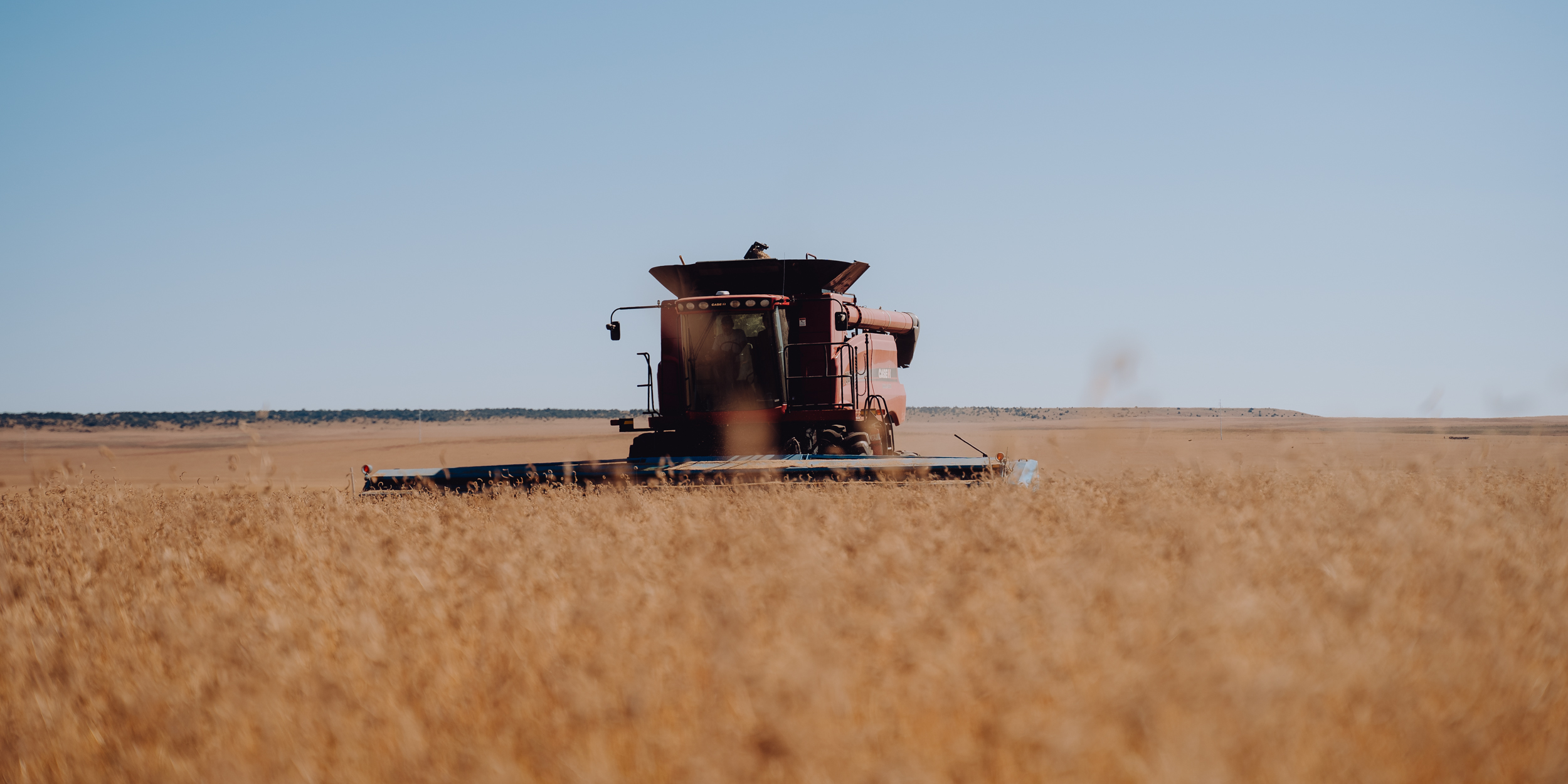
> "If we're expected to feed the world, we have to find a solution. At the end of the day, limited water affects everybody."
— Mark Peabody, Curtis & Curtis Seed
---
Environmental strain is a harsh reality that producers, conservation professionals, and landowners feel every single day. Depleted aquifers, nutrient-poor soils, longer drought cycles, and climate pressures are reshaping how we manage the land. Much of this strain is the result of human activity, which means the responsibility to restore, protect, and rebuild also falls on us.
This is why the conversation matters. These challenges affect all of us, and the actions we take now will determine the health of the land we depend on in the years ahead.
But there’s real hope in the people who refuse to look away. Agriculture professionals are stepping up and choosing practices that support long-term land health—not just short-term fixes.
At Curtis & Curtis Seed, we’re proud to partner with these leaders as we work to restore the land through native seed solutions.
## What Is Resource Scarcity in Land Management?
Rising demand, shrinking natural resources, and decades of strain have pushed the land to a point where it can no longer meet our needs without intentional care and restoration. Resource scarcity shows up in many different ways, and each one affects how well the land can grow and support us.
##### **Water Scarcity**
Communities worldwide are feeling the effects of water scarcity. With limited water, crops struggle, forage slows down, and livestock health declines, which ultimately impacts food security.
##### **Nutrient-Depleted Soil**
Overgrazing, drought, and harmful land practices have left many acres vulnerable. When soil loses its structure, it can’t hold water, is more prone to erosion, and can’t support healthy plant growth.
##### **Loss of Pollinators**
Pollinator populations are declining due to habitat loss, pesticides, and changing climate patterns. Without pollinators, plants struggle to reproduce, wildlife suffers, and entire ecosystems become less resilient.
Together, these challenges reshape the day-to-day realities for farmers, ranchers, land managers, and communities that depend on healthy ecosystems. They influence everything from grazing capacity to soil conservation and the long-term sustainability of our food supply.
---
>
>
> **“Cattle graze grass. Grass is a living thing. Grass has got to have water to survive. So the less water that we have, the less amount of food that we can produce."**
— Jeff Gazaway, Barenbrug USA
---
## Why Native Seeds Stand Up to Today’s Challenges
Native seed comes from plant species that naturally belong to a specific region. Since they are native to the land, they have the ability to withstand tough conditions, making them one of the strongest tools we have for restoring land under strain.
Here are three reasons native seed is critical to today’s land management challenges:
##### **1. Drought Tolerance**
- Native species evolved in dry, harsh climates, which makes them naturally resilient during droughts.
- They require far less irrigation than many non-native options, helping conserve water at a larger scale.
- Native seed like our [Homesteader's C](https://curtisseed.com/homesteaders-choice-native-grass-mixture/?searchid=30463&search_query=)hoice and [Land of Enchantment](https://curtisseed.com/land-of-enchantment-mountain-blend/) consistently thrives across a wide range of climates.
##### **2. Soil Health & Retention**
- Native plants develop deep roots that reduce erosion and strengthen soil structure.
- Their root systems support healthy microbial activity that aids germination, nutrient uptake, and long-term soil fertility.
- We’ve helped wind and solar energy sites restore soil health with native seed mixes that provide excellent ground cover and can withstand the conditions in these specific regions.
##### **3. Biodiversity Boosters**
- Native grasses and wildflowers attract and provide essential habitat for pollinators and wildlife.
- Restoration mixes create stronger, more resilient ecosystems than single-species plantings.
- By partnering with industry leaders like Barenbrug and distribution partners like Beattie Sales & Service, we’re able to connect decades of research with the producers who rely on high-performing native seed.
## How We're Bringing the Land Back to Life
Every landscape is different, and restoring land takes seed that can meet those unique needs. At Curtis & Curtis Seed, we’re part of the solution by creating custom native blends designed to thrive in specific climates, soils, and project goals.
Our work supports [projects](https://curtisseed.com/projects/) across:
- Agriculture
- Wildlife reclamation
- Wind and solar energy
- City projects
- Residential landscapes
- Commercial turf protection
- Oil and gas fields
We use drought-tolerant blends like [Native Wonder](https://curtisseed.com/native-wonder-native-grass-mixture/?searchid=30347&search_query=) and [Buffalograss, Cody](https://curtisseed.com/buffalograss-cody/?searchid=30348&search_query=) to help clients create landscapes that work with nature, not against it.
## Looking Ahead: Stewardship for the Next Generation
Our mission at Curtis & Curtis Seed has always been to leave the land better than we found it. It’s our responsibility to take care of the land that sustains us so our families today, and the generations who follow, have a healthier, more resilient home.
---
>
>
> **"Leaving the land better than we found it is more than just a philosophy for us. It’s been a practice since the start of this company. It’s something that we cherish."**
— Sydney Anderson, Curtis & Curtis Seed
---
We’re seeing the impact of our past choices, and today we’re choosing a different path—one that takes courage, research, and the discipline to work at year-round. By choosing native seed, we’re investing in stronger soils, healthier ecosystems, and a future where the land can continue to provide for us.
## Are You Ready to Join Us in This Mission?
[Contact](https://curtisseed.com/contact/) our team today about customizing a seed blend for your project.
Watch our full documentary, *From Dust*, to learn more about our partnerships and how we're tackling water scarcity with native seed.
[](https://curtisseed.com/contact/)
IF SEEING IS BELIEVING,WE’RE READY TO PROVE IT.
### Find out how you can improve your tired soils.
[Let's Talk](https://www.curtisseed.com/contact)

We offer the best selection in the market and our consultants give you the support and advice you need to grow your business or highly-manicured lawn or sports field.
Follow Us:
Contact
[4500 N Prince Street Clovis, NM 88101, USA](https://goo.gl/maps/krSSPJg8mw3bv7RL6)
[(877) 907-1806](tel:877-907-1806)
Hours
M - F: 8:00 AM - 5:00 PM S - S: Closed
Sitemap
[About](https://curtisseed.com/about) [Services](https://curtisseed.com/services) [Our Projects](https://curtisseed.com/projects) [Resources](https://blog.curtisseed.com/) [Store](https://curtisseed.com/store) [Contact Us](https://curtisseed.com/contact) [Shop](https://curtisseed.com/categories)
Subscribe To Our Newsletter
**Planting Tips, Innovative Practices, and New Products!**
Sign Up For Our Newsletter

Thank you for signing up!
® Copyright 2019 Curtis & Curtis Seed | [Privacy Policy](https://curtisseed.com/privacy-policy/) | Crafted with Care by [Primitive](https://www.leadwithprimitive.com)